Ever wonder why some days your gut feels off? Maybe you’re bloated, dealing with an upset stomach, or just feeling sluggish.
These are all signs that your gut microbiome might be out of balance!
Fortunately, probiotics can help restore harmony in your gut by balancing your microbiome. Probiotics are live beneficial bacteria that support a healthy microbiome.
By introducing these good bacteria into your system, you can help balance the gut, improve digestion, and boost your immune system.
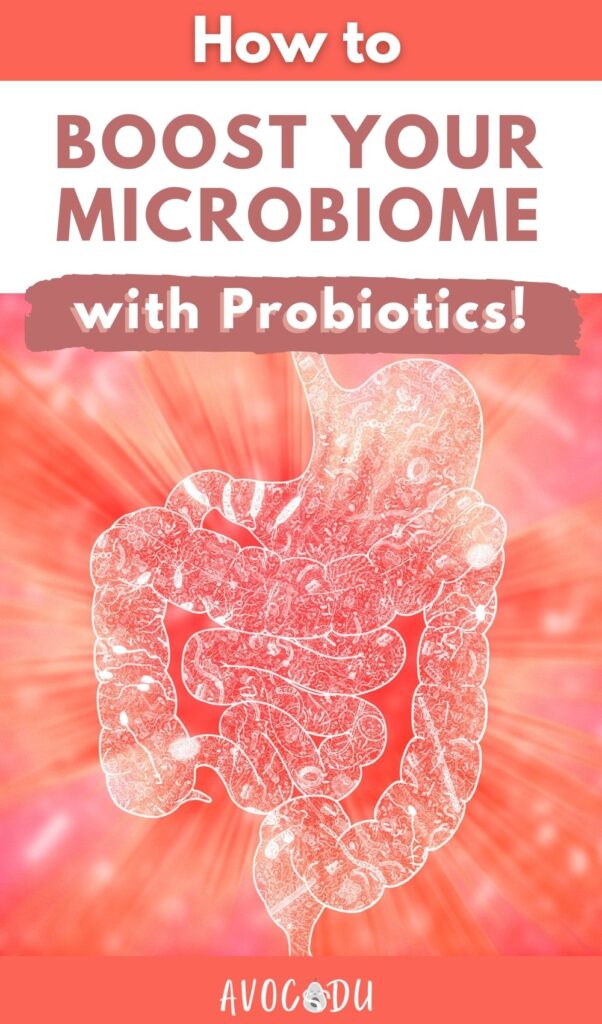
What is the Microbiome?
Your microbiome consists of trillions of microorganisms living in your intestines. These tiny residents are essential for digesting food, absorbing nutrients, and defending against harmful pathogens.
A healthy microbiome supports your immune system, influences your mood, and even affects your weight.
Digesting Food: One of the primary functions of your microbiome is to help digest food. These microorganisms break down complex carbohydrates, fibers, and proteins that your body can’t digest on its own.
By doing so, they help extract essential nutrients that your body needs to function properly. Without a healthy microbiome, your digestive system would struggle to process food efficiently.
Absorbing Nutrients: Once the food is broken down, your microbiome plays a key role in nutrient absorption.
These microorganisms assist in absorbing vitamins and minerals, such as vitamin K and certain B vitamins, which are vital for energy production, blood clotting, and maintaining healthy skin and nerves.
A balanced microbiome ensures that your body gets the most out of the food you eat.
Defending Against Harmful Pathogens: Your microbiome acts as a first line of defense against harmful pathogens.
The beneficial bacteria in your gut outcompete harmful bacteria for resources and space, preventing them from taking over and causing infections.
They also help maintain the integrity of the gut lining, which acts as a barrier to keep unwanted invaders out of your bloodstream.
Supporting Your Immune System: A significant portion of your immune system resides in your gut.
The microbiome helps regulate immune responses, ensuring that your body can effectively fight off infections without overreacting and causing inflammation.
Influencing Your Mood: The connection between your gut and your brain, often referred to as the gut-brain axis, is a fascinating area of research.
Your microbiome produces neurotransmitters like serotonin and dopamine, which play a role in regulating mood and emotions.
An imbalance in gut bacteria has been linked to mental health issues such as anxiety and depression. Maintaining a healthy microbiome can positively impact your mental well-being.
Affecting Your Weight: The composition of your microbiome can influence your metabolism and weight.
Certain bacteria are more efficient at extracting calories from food, while others can affect how fats are stored in your body.
Studies have shown that an imbalanced microbiome may contribute to weight gain and obesity.
Your microbiome is a dynamic and complex ecosystem that plays a vital role in your overall health.
Keeping this community of microorganisms balanced and thriving is essential for digestion, nutrient absorption, immune function, mood regulation, and maintaining a healthy weight.
Signs of an Imbalanced Microbiome
When your microbiome is out of balance, your body can give you several signals. Here are some common signs that indicate your gut health might need attention:
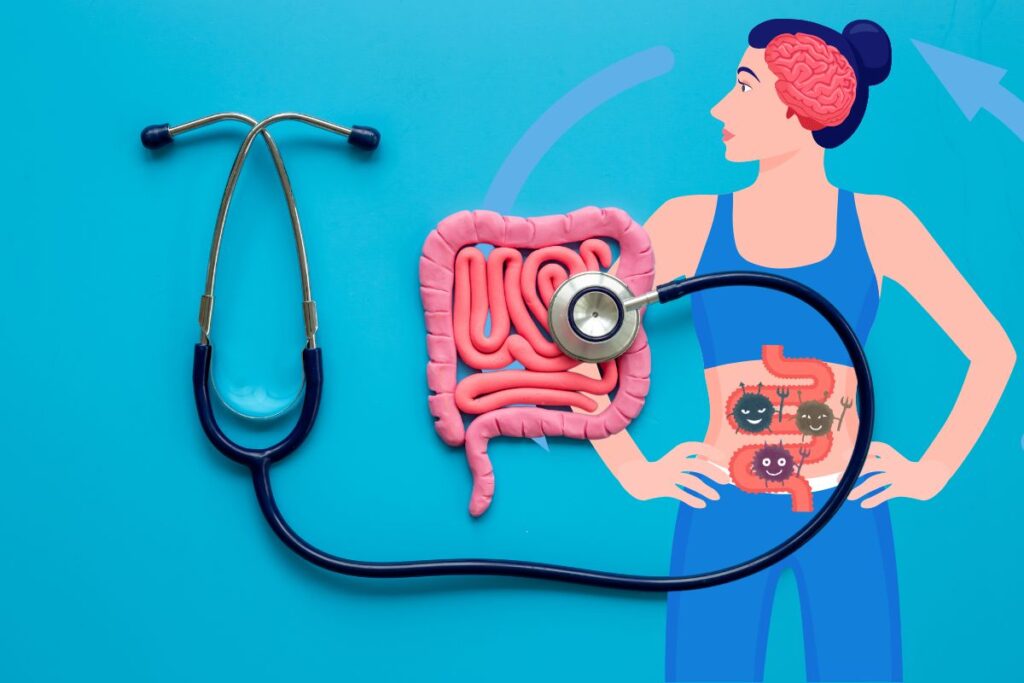
Bloating and Gas: One of the most noticeable signs of an imbalanced microbiome is frequent bloating and gas.
When the balance of bacteria in your gut is disrupted, it can interfere with digestion, leading to the production of excess gas. This can make you feel uncomfortable and swollen.
Irregular Bowel Movements: Changes in your bowel habits, such as constipation or diarrhea, can also be a sign of a microbiome imbalance.
A healthy gut helps regulate bowel movements, so any irregularities could indicate that your gut bacteria are out of sync.
Frequent Colds or Infections: Your gut plays a critical role in your immune system. An imbalance in your gut microbiome can weaken your immune response, making you more susceptible to colds, flu, and other infections.
If you find yourself getting sick more often than usual, it might be linked to your gut health.
Skin Issues like Acne or Eczema: The health of your skin is closely connected to the health of your gut.
An imbalanced microbiome can contribute to skin problems such as acne, eczema, and other inflammatory skin conditions. This happens because the gut can influence inflammation levels throughout the body.
Fatigue and Difficulty Concentrating: Feeling tired all the time or having trouble focusing can also be linked to your gut health.
Your gut bacteria produce neurotransmitters that affect your brain function and energy levels. An imbalance in these bacteria can lead to chronic fatigue and cognitive issues like brain fog.
Long-term Imbalances: If left unaddressed, an imbalanced microbiome can contribute to more serious, chronic health conditions. For example:
- Irritable Bowel Syndrome (IBS): An imbalance in gut bacteria is a common factor in IBS, which causes symptoms like abdominal pain, cramping, and irregular bowel movements.
- Autoimmune Diseases: There is growing evidence that an unhealthy gut can trigger autoimmune responses, where the body attacks its own tissues.
- Mental Health Challenges: The gut-brain connection means that an imbalanced microbiome can impact mental health, contributing to conditions like anxiety, depression, and even conditions like autism spectrum disorders.
Maintaining a healthy and balanced microbiome is essential for preventing these issues and promoting overall well-being. Recognizing the signs of imbalance early can help you take steps to restore harmony in your gut and improve your health.
Natural Sources of Probiotics
Incorporating probiotic-rich foods into your daily meals is a natural way to support your gut health. Probiotics from natural sources not only help maintain a healthy microbiome but also add variety and nutrition to your diet. Here are some excellent sources to consider:

Yogurt: Yogurt is one of the most popular probiotic foods available. It’s made by fermenting milk with specific bacterial cultures, typically Lactobacillus bulgaricus and Streptococcus thermophilus.
When choosing yogurt, opt for plain, unsweetened varieties with live and active cultures. These cultures ensure that the yogurt contains beneficial bacteria that can survive in your gut.
Yogurt can be enjoyed on its own, mixed with fruits, or added to smoothies for a nutritious and probiotic-rich snack.
Kefir: Kefir is a fermented milk drink similar to yogurt but with a thinner consistency and a more diverse bacterial profile. It’s packed with probiotics, including Lactobacillus kefiri, which is unique to kefir.
This drink is also a good source of vitamins, minerals, and protein. You can drink kefir on its own, use it as a base for smoothies, or even substitute it for milk in recipes to boost your intake of beneficial bacteria.
Sauerkraut and Kimchi: Both sauerkraut and kimchi are fermented vegetables that offer a tangy, flavorful addition to your meals.
Sauerkraut is made from fermented cabbage, while kimchi often includes cabbage, radishes, and a variety of seasonings.
These fermented vegetables are rich in probiotics, particularly Lactobacillus plantarum. They can be added to salads, sandwiches, or enjoyed as a side dish. Just make sure to choose unpasteurized versions, as pasteurization can kill the beneficial bacteria.
Miso: Miso is a traditional Japanese seasoning made by fermenting soybeans with salt and a type of fungus called koji (Aspergillus oryzae).
This fermentation process creates a paste that is rich in probiotics, especially strains of Lactobacillus and Bifidobacterium.
Miso is commonly used in soups, dressings, and marinades. Adding a spoonful of miso to hot water can make a quick and nutritious probiotic-rich soup. However, it’s best to add miso to dishes at the end of cooking to preserve the live cultures.
Tempeh: Tempeh is a fermented soybean product that originates from Indonesia. It’s made by fermenting cooked soybeans with a mold called Rhizopus oligosporus, which binds the beans into a firm, cake-like consistency.
Tempeh is not only a great source of probiotics but also high in protein, making it an excellent meat substitute. It can be sliced, marinated, and cooked in various ways, such as stir-frying, grilling, or baking. Including tempeh in your meals adds both nutritional value and beneficial bacteria to your diet.
Other Fermented Foods: Beyond the commonly known sources, there are many other fermented foods that can provide probiotics.
These include kombucha (a fermented tea), natto (fermented soybeans), and certain types of aged cheese like gouda and cheddar.
Each of these foods contains different strains of beneficial bacteria, contributing to a diverse and balanced microbiome.
Adding these probiotic-rich foods to your diet can give your microbiome a natural boost.
By incorporating a variety of these foods, you not only support your gut health but also enjoy a range of flavors and nutrients that contribute to overall wellness.
Embrace a Healthier Gut Today
Balancing your microbiome is key to feeling your best. By incorporating probiotics into your diet through foods or a quality multi-strain probiotic supplement, you can support your gut health and overall well-being.
A healthy microbiome can improve digestion, boost your immune system, enhance your mood, and provide many other health benefits.
Taking proactive steps to nurture your gut health is an investment in your overall vitality.
Start your journey to a healthier you today. Experience the difference a balanced microbiome can make in your life!







Leave a Reply