Leaky gut is probably a term that you have heard increasingly often lately, and it’s no wonder with modern-day society’s diet of excessive carbohydrates and sugar.
We’re going to tell you what it is and give you 5 steps to fix leaky gut and heal autoimmune problems!
It’s a rash, it’s a pain, it’s …. an autoimmune problem!
According to the American Autoimmune Related Diseases Association, one in five Americans has an autoimmune disease.
Although autoimmune problems can manifest as issues in certain areas of the body or conditions that affect specific organs, researchers theorize that these diseases begin in the gut (1).
What is Leaky Gut?
To understand why this may occur, it’s important to understand what a leaky gut is. Your intestines are a mucosal surface that acts as a barrier between the environment and your body.
Some nutrients or antigens that enter the gut are absorbed. Others are excreted, and some may live in the intestines.
The molecules in the walls of healthy intestines have tight junctions that prevent certain substances from being absorbed. Scientists have found that people with autoimmune disease have changes in those tight junctions.
Those changes create permeability, which allows environmental triggers to enter the body. In people who are genetically predisposed to an autoimmune disease, the body may become confused and attack healthy molecules that are similar to the trigger.
For example, in individuals who have Celiac disease, the body attacks an enzyme called tissue transglutaminase, which is found in many organs in the body. However, the trigger is gliadin, a compound found in gluten.
The intestinal mucosa interacts with the trigger substances to increase permeability in the lining of the gut.
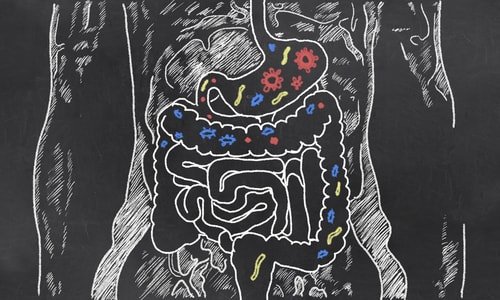
If the trigger is removed, the gut lining can heal and even reverse the autoimmune process.
You may be genetically predisposed to autoimmunity. You can also develop an autoimmune disease as your DNA is damaged from toxins that enter your body from the environment, beauty products, and the foods you eat.
Your body stops recognizing the mutated DNA and attacks it. According to Experience Life, this is more likely to happen if you have leaky gut.
Who has Leaky Gut?
It appears as though most people with autoimmune diseases have leaky gut. However, not everyone with leaky gut has an autoimmune disease.
Either way, you can prevent leaky gut from affecting your health if you heal it.
And you generally are at a higher risk of developing autoimmune disorders if you have leaky gut. Try this leaky gut test by Dr. Axe.
You may also have trouble losing weight or problems with mood. You may have trouble concentrating or have low energy.
Depending on how you take care of your body, leaky gut can be temporary—it can be caused by a virus or stress. However, if you have a consistently poor diet, chronic stress, toxic overload or bacterial imbalance in your gut, you may have a persistent leaky gut that can cause inflammation and other health problems.
5 Steps for Healing Leaky Gut
There are a number of leaky gut tests that you can take. However, you can probably skip the test if you have some of these signs of leaky gut:
- An autoimmune disease
- Constant fatigue
- Food sensitivities or intolerances
- Digestive problems
- Unnatural mood fluctuations
- Problems losing weight
- Asthma or allergies
- Hormonal imbalances
- Skin problems, itchiness or rashes
For more information on determining whether you have poor gut health, read our article on 10 warning signs you have an unhealthy gut.
Whether you have an unhealthy gut or not, it doesn’t hurt to take steps to make your gut healthier. Anyone can benefit from taking these steps to heal leaky gut.
1. Remove Inflammatory Foods

Foods that cause inflammation make leaky gut worse (along with causing weight gain, skin problems, and a whole host of other issues…).
The main culprit is sugar. Researchers are finding that sugar causes inflammation that leads to many health issues, including diabetes and heart disease.
Other foods that are likely to cause inflammation are:
- Dairy
- Gluten
- Nuts and seeds (they contain an enzyme that actually prevents your body from digesting them well)
- Nightshades (eggplant, tomatoes and potatoes fall into this category)
- Alcohol
- Soy
- Artificial ingredients
- Legumes
- Eggs
- NSAIDs (these pain-reducing medications can damage the lining of your gut)
- Acid reducers (can contribute to low stomach acid, which can negatively affect digestion)
Listen to your body. If a particular food doesn’t make you feel well or makes you gain weight overnight, it might be causing inflammation.
2. Stop the Toxic Cycle
Toxins from food, water and the environment can cause inflammation in your body and exacerbate leaky gut.
Eating minimally processed, organic foods with no chemical additives can prevent additional toxins from entering your system. Switching to natural beauty products can also help you detoxify.
It’s impossible to eliminate all toxins from your environment, but being more conscious about what you put on your skin, in your body, and in the air can help you take in fewer toxins on a daily basis.
3. Reduce Stress
It’s not just a coincidence when you feel nauseous or get butterflies in your stomach in response to stress.
Hormones that are released when you’re stressed slow down the digestive system so that your body can focus on dealing with the stressor.
If you’re constantly stressed, your digestive system is consistently in shutdown mode. This means that you won’t absorb nutrients properly, you’re more likely to have an imbalance of bacteria in your intestines and your gut lining is going to suffer.
4. Moderate Your Exercise
Too much exercise can increase the permeability of your intestinal lining, research shows. If you’re exercising too intensely or for too long, you could be making your leaky gut worse.
Sitting on the couch isn’t any better, though. Moving your body gently can help bring blood flow and stimulation to your digestive system, helping it work more efficiently.

Moderate exercise can also reduce stress.
If you’re dealing with leaky gut, try swapping out your HIIT training or long-distance runs with yoga, walking or dancing for a while to help heal.
We also have an article on walking to lose weight if you are looking to add a daily walk to your routine.
5. Add Healing Foods to Your Diet
If you begin to think of food as medicine, you can really start to heal your leaky gut. Some of the most healing foods are:
- Bone broth – The collagen and amino acids in bone broth can heal and seal the intestinal wall. See the bone broth benefits here.
- Fermented products – The probiotics in fermented products, like water kefir and sauerkraut, support a balanced intestinal ecosystem.
- Omega-3s – Omega-3 fatty acids have been found to help reduce inflammation and improve symptoms of autoimmune disease (2). Some types of fish are abundant in omega-3s, but they also can introduce toxins.
- Coconut oil – Contains healthy fats and anti-fungal properties that can kill harmful yeasts in the gut and help you lose weight.
- Supplements – Certain supplements, like probiotics, can help your body digest foods properly and repair the intestinal lining.
These things can ALL help improve your gut health, but changing your diet combined with taking a good probiotic supplement is perhaps the quickest and easiest way to lose weight and heal your gut.
No matter what supplement you use, you should take AT LEAST 50 billion units of probiotics daily from a minimum of 10 different sources for best results.
While you don’t need to purchase only refrigerated probiotics, make sure the packaging is well sealed. It’s also essential that the packaging is dark (or opaque, not transparent) to protect from light damage.
Probiotics are one of the best solutions for healing your gut, helping you lose weight faster, and providing you with a healthy source of gut flora every day!
Next, you will need to eat a healthy diet full of whole, natural foods!
Probiotics will help to get your gut started on the right track again, but it won’t make a very big impact if you are still eating a diet full of the WRONG foods that wreak havoc on your gut in the first place.
Notes On Elimination Diets
It can be hard to just go cold turkey and turn your health around. Cutting out entire food groups can cause binging later if you don’t have a plan.
It’s important to be extra mindful of your body and mood when you’re trying to heal a leaky gut. You may not notice that you feel better when you initially remove a food but adding it back in can make you feel worse.
It can take months of cycling on and off certain foods to really notice the difference (and to really start being honest with yourself).
Don’t lose hope if you can’t take all of these steps religiously at once. Work on improving your lifestyle to help your gut heal in a way that will stick around for the long term.
Leave me a comment below if you enjoyed this article or have any questions!






Leave a Reply