The egg advice you grew up with and the egg advice on the internet are still arguing. One says the yolk will raise your cholesterol. The other says a carton a day will save your memory. Neither one is what the research says.
This is general information, not a cholesterol plan and not a reason to ignore a number your doctor is already treating.
What one egg actually gives you
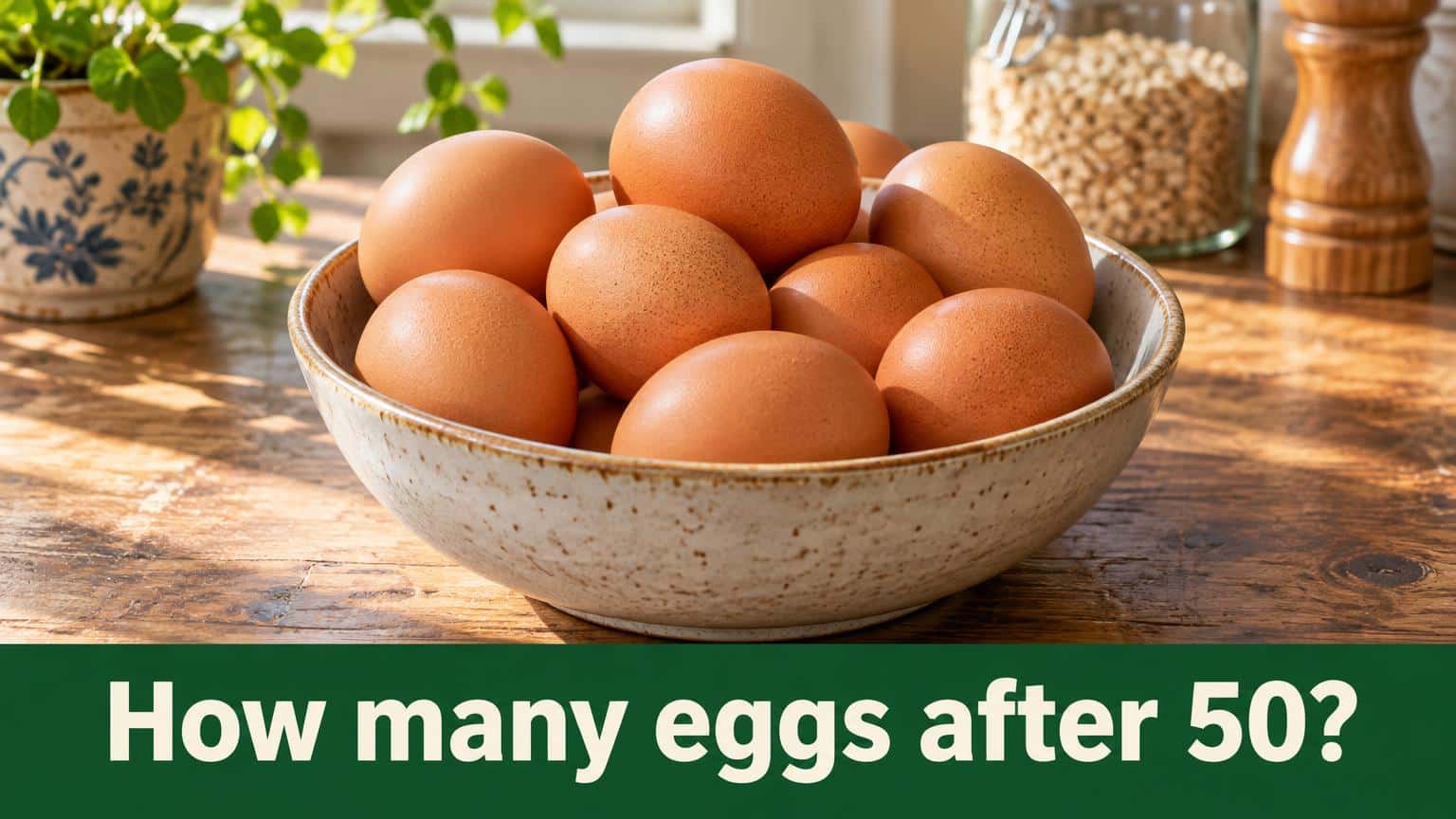
A large hard-boiled egg has 147 milligrams of choline. That is 27% of the 550 milligram daily value used on food labels. The adequate intake for women 19 and older is 425 milligrams a day, and 550 for men. Choline is used to make acetylcholine, a chemical messenger tied to memory and muscle control. An egg is one of the richer ordinary foods for it. Liver has more. A cup of yogurt has far less. 4
That nutrient profile is why eggs keep showing up in brain research. It is not a reason to treat the carton like a supplement.
Cholesterol: the rule that actually changed
In 2019 the American Heart Association said research did not support a single cholesterol cap from food. Heart-healthy patterns, Mediterranean-style and DASH-style, are already fairly low in cholesterol. In the studies they reviewed, egg intake was not clearly tied to cardiovascular disease. Their plain-language line: it is reasonable to eat one whole egg, or the equivalent, a day. They also said cholesterol intakes above what Americans usually eat can nudge LDL, the “bad” cholesterol, up a bit. 2
The American College of Cardiology’s summary of that advisory adds a second line for older adults whose cholesterol is normal: up to two eggs a day can fit a heart-healthy pattern. It flags extra caution if you have a cholesterol disorder, diabetes, or a risk of heart failure. 3
A 2025 umbrella review of egg studies found the evidence too weak to tell people to avoid eggs. High versus low intake was not clearly tied to heart attacks, strokes, or death from any cause in that review. Intervention studies did show small rises in LDL and total cholesterol. The authors graded the whole body of evidence as critically low, which means the “eggs are fine” headline and the “eggs are dangerous” headline are both ahead of the data. 5
The current federal guidelines, released in January 2026, put eggs on the include list, with meat, seafood, nuts, and olive oil, and tell people to prioritize protein at meals. They do not bring back a three-egg weekly cap. 1
Memory: a real clue, with a short leash
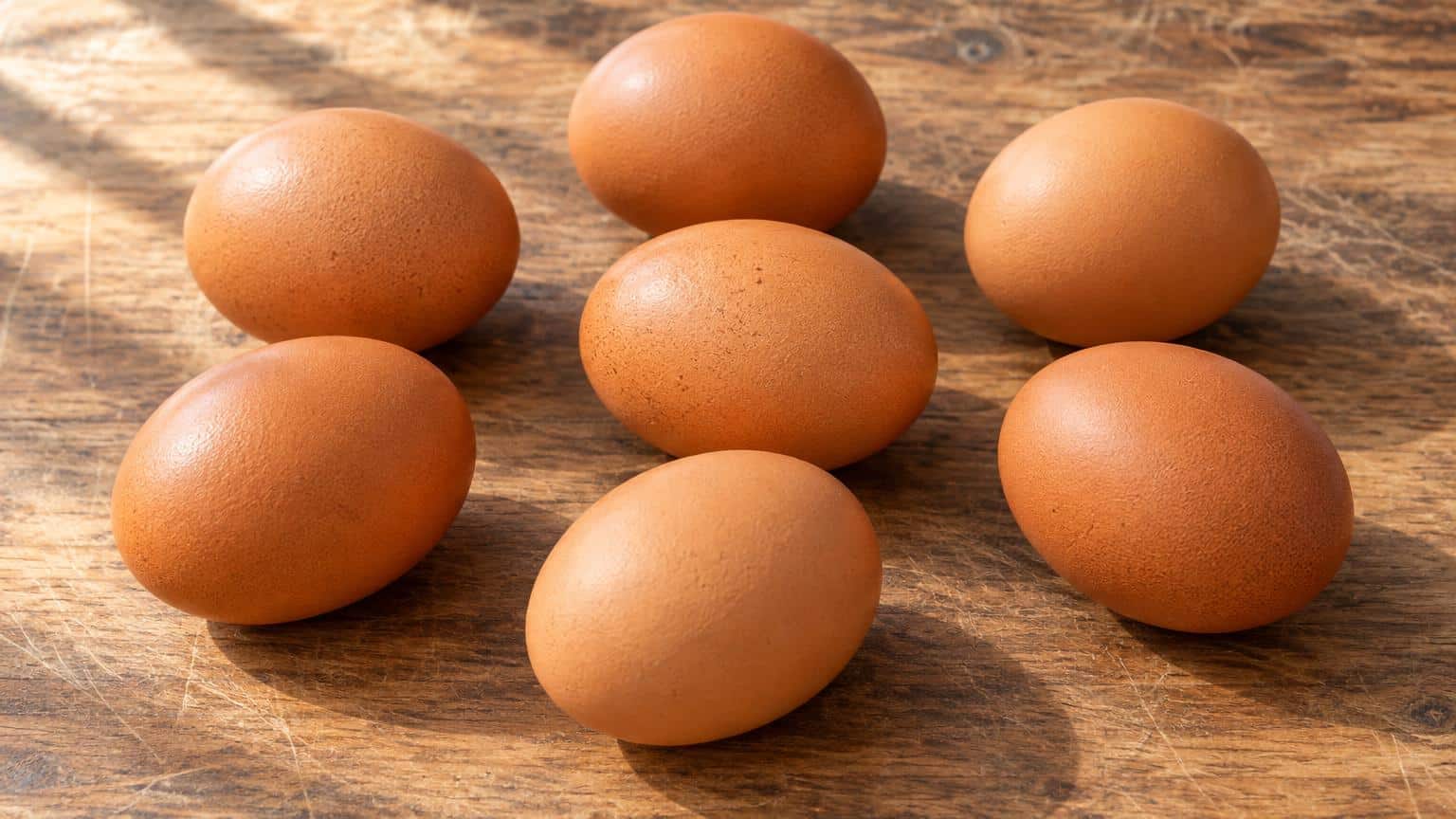
The study people quote is the Rush Memory and Aging Project. Researchers followed 1,024 older adults in the Chicago area, average age about 81, for an average of 6.7 years. During that time, 280 people, 27%, were diagnosed with Alzheimer’s dementia. Eating more than one egg a week was linked with a lower rate of that diagnosis than the lowest intake group. The hazard ratio was 0.53, and it was the same for two or more eggs a week. In plain words, the weekly-egg groups were diagnosed about half as often, after the researchers adjusted for other things they had recorded. 6
They did not assign people to an egg diet. People who eat eggs can differ in ways a food questionnaire misses. In a smaller group of 578 people who had brain autopsies, the same weekly egg intake was also linked with less Alzheimer’s pathology. About 39% of the link with the clinical diagnosis ran through dietary choline, which fits the nutrient story and still does not prove the egg did the protecting. 6
Read the funding line. The National Institutes of Health paid for the cohort. The Egg Nutrition Center also helped fund this analysis, and some authors have worked with food-industry groups. That does not erase the numbers. It does mean you should not let an egg board turn “associated with” into “prevents.” 6
A smaller, older look at the question is the Rancho Bernardo Study: 890 adults age 55 and up, checked about four years apart. Egg intake was not tied to worse thinking. In women, more eggs lined up with a little less decline on a word-fluency test. Men showed no link either way. 7
A 2025 systematic review pulled 11 studies and more than 38,000 people, mostly older adults. Moderate intake, roughly half an egg to one egg a day, lined up in some studies with better memory scores or a lower chance of dementia. One study found a higher risk above one egg a day. The methods were too different to declare a winner. 8
So how many, in a normal week
Here is the range, without the slogan.
- About 7 a week. One a day. This matches the heart association’s line for healthy people, and it is inside what the memory studies actually compared. 2 6
- Up to 14 a week is a ceiling some cardiology summaries allow for older adults with normal cholesterol, inside an otherwise heart-healthy pattern. It is not a target. 3
- Ask first if your LDL is already high, or you have diabetes or heart failure. 3
The plate around the egg matters as much as the count. The heart association’s worry was eggs eaten with saturated fat, not the yolk in isolation. 2
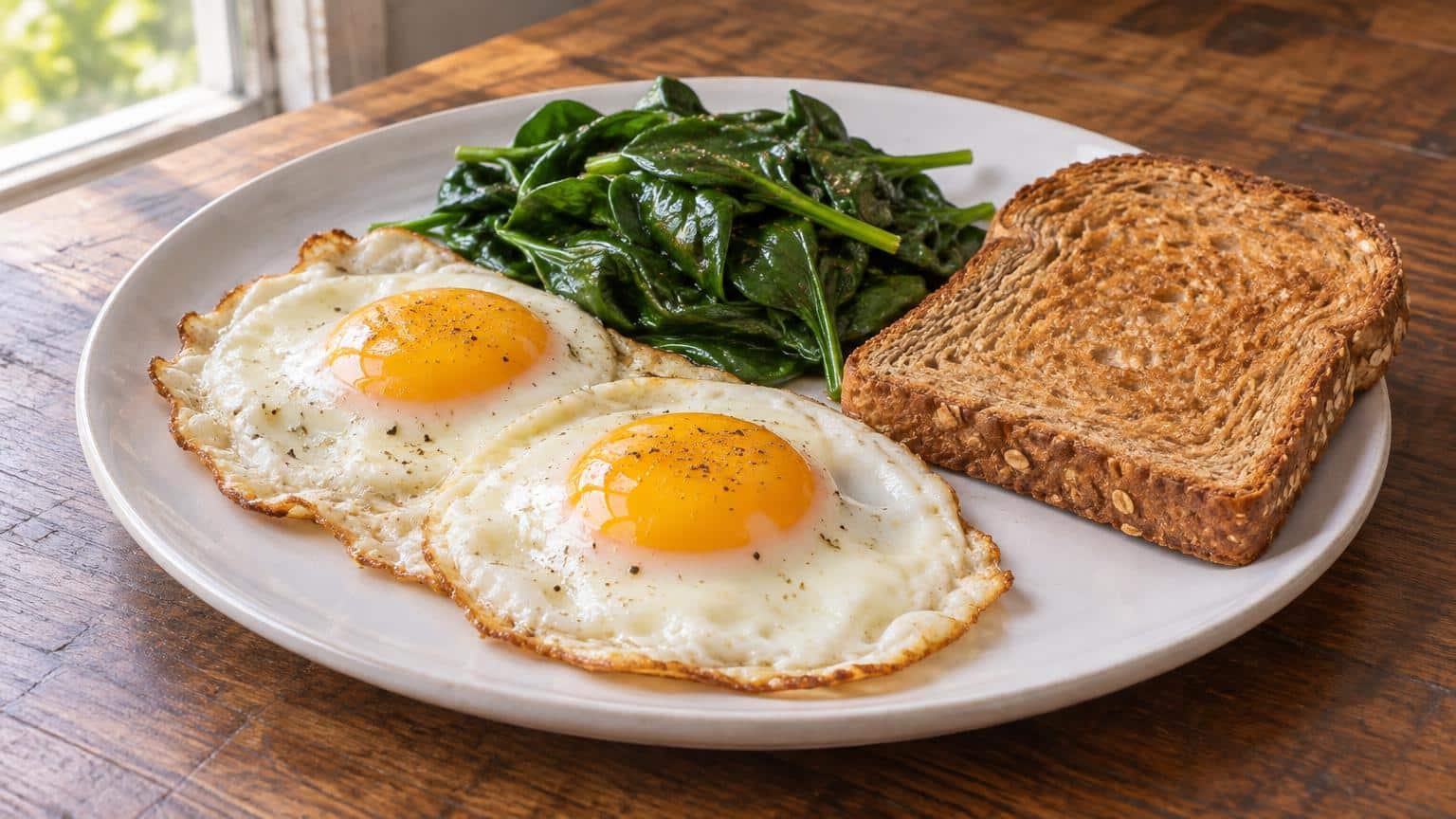
- Fine: vegetables, fruit, or a slice of whole-grain toast.
- The part to shrink: bacon, sausage, and a lot of butter.
- If you are healthy and you like eggs, one a day is a reasonable default. You do not need to finish the carton to get the choline.
- Put the egg with vegetables or whole-grain toast, not with bacon as the automatic side.
- If your LDL is high, or you have diabetes or heart failure, ask before you make eggs a daily habit. Bring your last lipid panel.
- Do not add eggs on top of an already huge protein intake and call it brain protection. The Alzheimer’s finding is an association in people around 80, not a prescription.
- If you do not eat eggs, you are not doomed. Meat, fish, dairy, soy, and some beans carry choline too, just in smaller ordinary servings. 4
Sources
- U.S. Department of Agriculture. Kennedy, Rollins unveil reset of U.S. nutrition policy. Press release. 7 January 2026. https://www.usda.gov/about-usda/news/press-releases/2026/01/07/kennedy-rollins-unveil-historic-reset-us-nutrition-policy-put-real-food-back-center-health
- American Heart Association News. Diets low in cholesterol can help reduce heart disease, stroke risk. 16 December 2019. https://www.heart.org/en/news/2019/12/16/diets-low-in-cholesterol-can-help-reduce-heart-disease-stroke-risk Carson JAS, Lichtenstein AH, Anderson CAM, et al. Dietary cholesterol and cardiovascular risk: a science advisory from the American Heart Association. Circulation. 2020;141:e39-e53. https://doi.org/10.1161/CIR.0000000000000743
- American College of Cardiology. Dietary cholesterol and cardiovascular risk: ten points to remember. 30 December 2019. https://www.acc.org/Latest-in-Cardiology/ten-points-to-remember/2019/12/30/15/23/dietary-cholesterol-and-cardiovascular-risk
- National Institutes of Health, Office of Dietary Supplements. Choline: fact sheet for health professionals. A large hard-boiled egg provides 147 mg of choline. https://ods.od.nih.gov/factsheets/Choline-HealthProfessional/
- Effect of egg consumption on health outcomes: an updated umbrella review of systematic reviews and meta-analyses. Nutrition, Metabolism and Cardiovascular Diseases. 2025. https://doi.org/10.1016/j.numecd.2025.103849
- Pan Y, Wallace TC, Karosas T, Bennett DA, Agarwal P, Chung M. Association of egg intake with Alzheimer’s dementia risk in older adults: the Rush Memory and Aging Project. The Journal of Nutrition. 2024;154(7):2236-2243. https://doi.org/10.1016/j.tjnut.2024.05.012 The analysis received funding from the National Institutes of Health and the Egg Nutrition Center.
- Egg consumption and 4-year change in cognitive function in older men and women: the Rancho Bernardo Study. Nutrients. 2024;16(16):2765. https://doi.org/10.3390/nu16162765
- Egg intake and cognitive function in healthy adults: a systematic review of the literature. 2025. https://www.sciencedirect.com/science/article/pii/S1279770725002210
Related posts:

Are You Eating Enough Protein? A 2-Minute Self-Check for Women Over 40

Do GLP-1 Drugs Like Wegovy Affect Brain Health? What the Research Shows So Far
Foods That Help Reduce Belly Fat After 50, According to Dietitians

Surviving Menopause: How I Managed Intense Symptoms and Found Balance
Why You NEED to Prioritize Protein in Your Diet

Leave a Reply